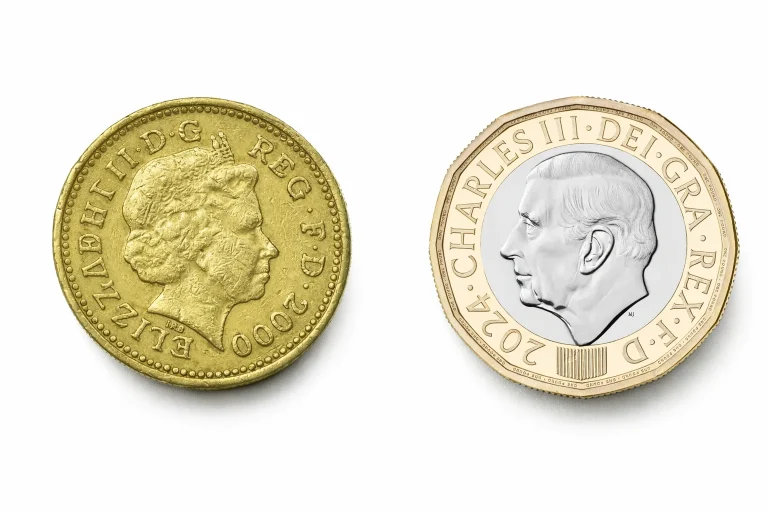


To avoid mistakes, you should use the coin scanner app or check it out, following a few strict rules — this is the only way you, as a beginner, will not get to the scammer.
The first and most important check is carried out on weight, size and thickness – details that are almost impossible to copy perfectly, since manufacturers of counterfeit coins rarely use the right combination of metals.
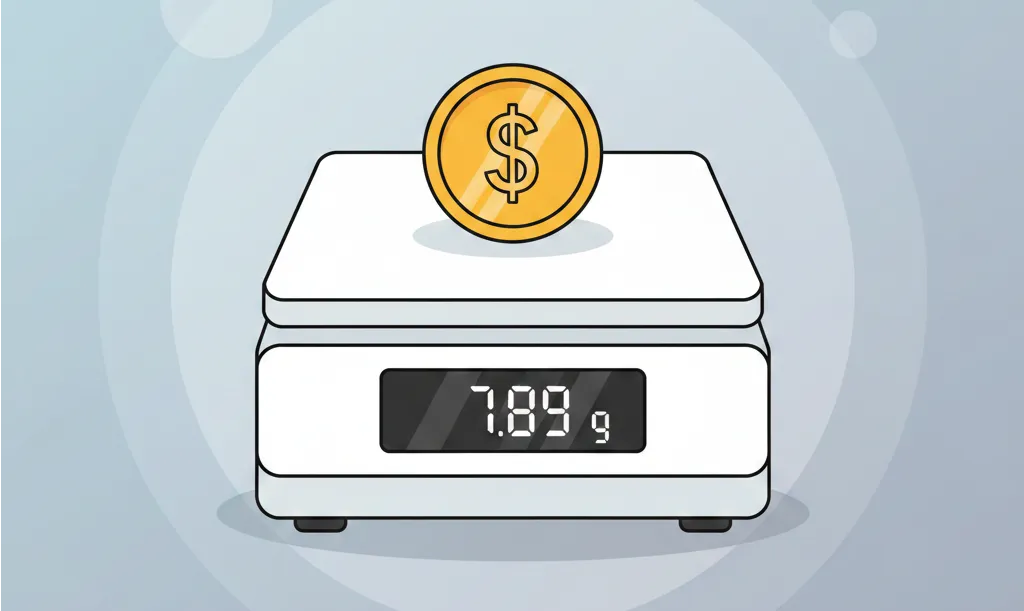
Weight
To check the weight, you need good electric scales, measuring down to a very small part of a gram (0.01g). You should not use normal kitchen scales, knowing they are not good enough for this job.
- You should know exactly how much a real coin should weigh by looking through official catalogs or finding information about the place where the coin was made.
- Compare the weight of your coin with the official weight to make sure they match. If the weight is too different, this is a very bad sign, meaning that the coin is most likely fake.
A fake coin is often made of another, cheaper metal, causing the metal’s density to change. If the density is different, the coin will have the wrong weight even if it has the correct size, proving this first check is very important for finding fakes.
Diameter and Thickness
The size and thickness of the coin are also very strictly made the same for all real coins.
For checking the diameter and thickness, you need a good measuring tool called a caliper.
- You measure the coin in a few different places, making sure the diameter is the same everywhere and matches the official size. If the coin was cast, its diameter can be uneven or a little different from the standard.
- If a coin was made poorly or cast, its thickness often does not match the standard, showing a possible mistake in its making.
Looking Closely
Most fake coins can be found by looking very carefully at the coin’s surface, using a strong magnifying tool like a 10x glass or the best coin identifier app.
Surface
Fake coins made by casting have special signs. You must look for small bubbles or small holes on the coin’s surface, especially on the smooth field. Bubbles appear when the metal cools in the mold, creating surface errors. A real coin, made by striking metal, doesn’t have these bubbles.
- You should look closely at the smallest parts of the picture, making sure the lines are clear. On a real coin, all lines are very sharp and clear. On a fake coin, the lines are often blurry, not clear, or soft, showing poor quality.
Date and Letters
You compare the shape of the numbers on your coin with the shape of numbers on a real coin from that year, looking for differences. Fake makers might change the number “3” into an “8” or “4” into “1”.
On a fake coin, where a number was added or changed, the space might be too big or too small, making the writing look wrong.
Fake coins often have a low picture height — the picture looks “flat” compared to a real coin, showing that the striking was weak or the mold was shallow. A real coin’s striking makes the picture high and clear.
Mint Mark
Fake makers might take a common coin and add a rare mark like “S” or “D” using a small tool. You must look for scratches or tool marks right around the mark. A real mint mark is part of the design, looking clean and clear without extra lines around it.
- Check the exact place of the mint mark, seeing that on a fake coin, it might be a little higher, lower, or moved compared to a real coin. You must compare it with trusted examples, making sure the position is correct.
Reeding
For coins with a smooth edge, you look for a seam or a thin line. Cast fake coins are often made from two parts joined together, creating a thin, often bumpy line around the edge. A real coin does not have this seam.
- Reeding means the small lines or cuts on the coin’s edge. You check for the evenness and clearness of these lines, making sure they are all the same. A real coin has straight, clear, and deep lines. On a fake coin, the reeding is often shallow, uneven, or looks “smeared” and weak, showing a problem with the process.
Some coins have letters or words on the edge. On a fake coin, this writing is often not clear, has the wrong letter style, or looks like it was just pressed onto the side, lacking the deep, clean look of a real coin.
The Outer Rim
You must check the rim that goes around the whole coin, seeing that it must be even, clear, and the same height all around the coin.
On cast fake coins, the rim often looks weak, bumpy, or has mistakes where the mold was not filled well with metal, indicating a bad making process.

The Metal
If the coin should be made of copper, silver, or gold, it must not be pulled by the magnet. If the coin is pulled, it means it has a lot of iron or steel inside, being a strong sign of a fake coin.
Some coins, containing nickel or steel in their official metal list, will be pulled by the magnet. But most old and valuable coins should not be magnetic. You must always check the official metal specifications before doing this test.
Color and Patina
Real patina grows very slowly, taking many years to form. It looks natural, even, and has a deep color. Patina holds strongly to the coin’s metal.
- Scammers try to copy patina, using strong chemicals or heat. Fake patina often looks unnatural, dirty, uneven, or has a very bright, wrong color. If you scratch the patina gently in a small spot, a fake patina might rub off easily, showing the new metal underneath.
Fake coins made with the wrong metal mix often have the wrong color. For example, a coin that should be silver might look yellowish or too white. You must compare the color with real, trusted coins, looking for differences in the metal’s shine.
Rules for Buying Coins
If the price for a rare coin is much lower than the normal market coin value, it is almost always a fake, being the first and biggest sign of danger.
You should only buy from sellers, shops, or sales places that are known and have a good name, avoiding buying from unknown people on the internet.
- Try to buy coins that have already been checked and certified by big and known grading companies, giving you peace of mind. Certified coins are kept in a special plastic case, showing their realness and condition.